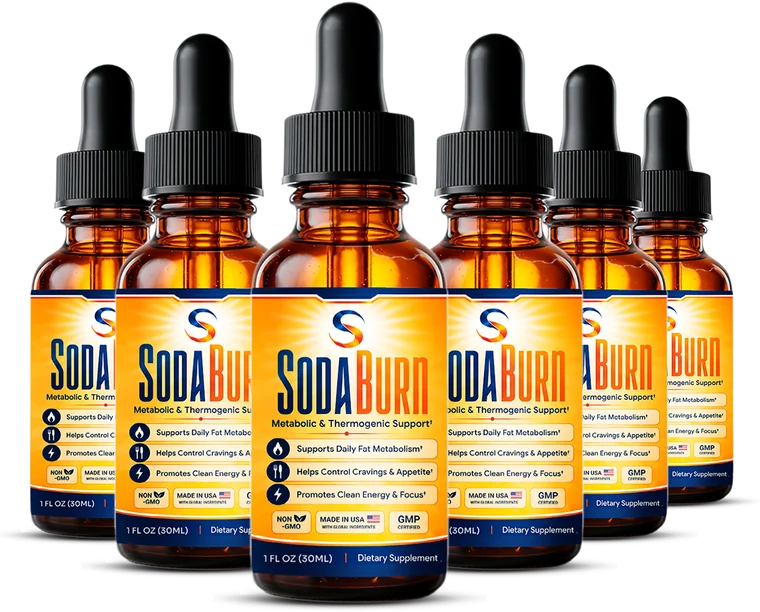
How To Actually Read This Label
A checklist worth running on any product, not just this one.
Liquid supplement labels are just as easy to dress up as capsule ones. Before trusting any product — including this one — here's what's actually worth checking.
1. Are ingredients named, or hidden in a blend?
A 'proprietary blend' lets a brand list a combined total weight without disclosing how much of any single ingredient is inside. A label that names each ingredient individually — even without exact milligram figures — gives you more to actually evaluate.
2. Does the brand admit what it doesn't disclose?
No label discloses everything, and pretending otherwise is itself a red flag. The better test: does the brand tell you plainly when a specific figure — like a combined caffeine total — isn't published, or does it dodge the question? We flag this directly on our own caffeine breakdown rather than inventing a number.
3. Do the manufacturing claims actually mean something?
“Made in the USA,” “FDA-registered facility,” and “GMP certified” are specific, checkable claims — not the same as FDA approval, since the FDA doesn't approve dietary supplements before sale. Watch for pages that claim “FDA Approved,” since that phrase alone is a signal to double-check the source.
4. Is the guarantee actually written down?
A guarantee mentioned only in marketing copy, with no window stated at checkout, isn't a guarantee you can rely on. Read the actual terms at checkout, not just the landing page.
5. Does the language stay within what's legally allowed?
Legitimate supplement marketing uses structure/function language — “supports” or “promotes” — not “cures” or “treats.” A page promising to cure or treat a diagnosed condition is a red flag regardless of the product.